
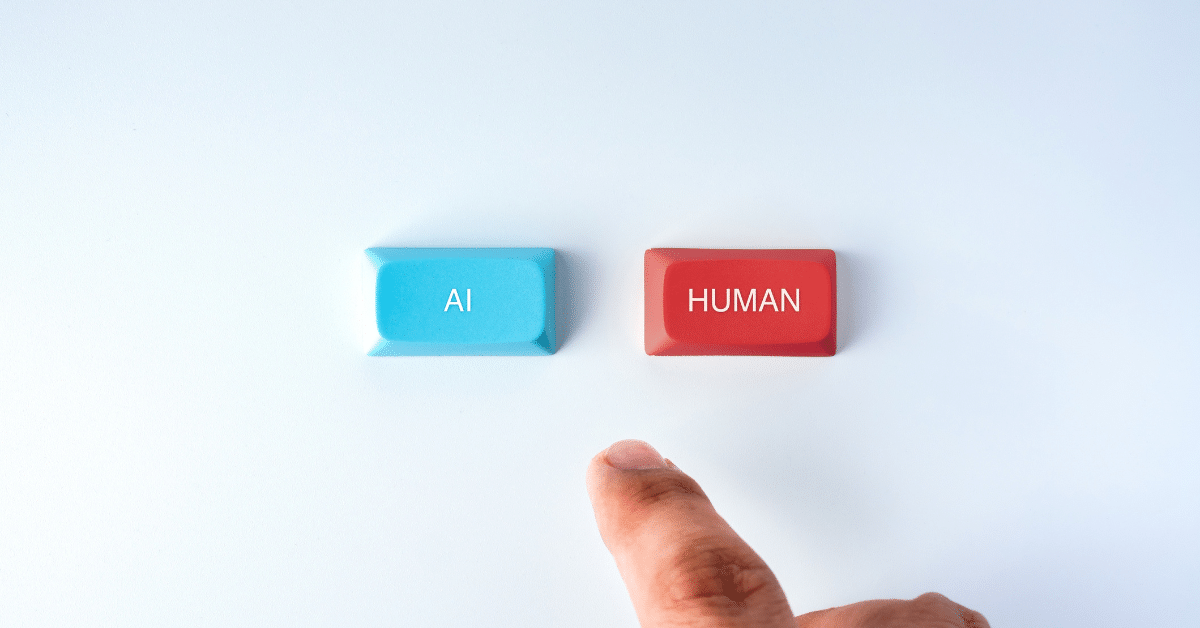
Artificial intelligence is becoming a standard part of many workplaces, helping employees work more efficiently and automate routine tasks. At the same time, many organisations are placing greater emphasis on the human skills that technology cannot easily replicate. Large professional services firms and major employers are increasingly highlighting skills such as critical thinking, judgement, communication, empathy and creativity alongside technical and AI capability. The message is clear: while AI can enhance productivity, organisations still rely on people to navigate complexity, build relationships and make sound decisions.
Why Human Skills Still Matter
Human skills are often most valuable in situations that require context, judgement and interpersonal understanding. Whether it’s managing a difficult stakeholder conversation, leading a team through change, or weighing up competing priorities, many workplace challenges don’t have a simple right or wrong answer. AI is highly effective at processing information and identifying patterns, but people remain responsible for interpreting information, applying it to real-world situations and considering the broader impacts of decisions.
The Risk of Offloading Thinking
One of the challenges organisations are beginning to recognise is the potential for over-reliance on AI tools. Research suggests that when people place too much trust in AI-generated outputs, they may be less likely to question information, explore alternative perspectives or apply their own critical thinking. While AI can be an excellent starting point, it still requires human oversight and judgement to ensure decisions are well-informed and appropriate for the situation. The most effective professionals are increasingly those who can combine the speed and efficiency of AI with strong analytical and decision-making skills.
Using AI Wisely
Rather than seeing AI as a replacement for human thinking, many organisations are encouraging employees to use it as a tool that supports and strengthens their work. A practical approach is to develop an initial view of a problem before turning to AI for additional insights, alternative perspectives or feedback. Used this way, AI can help refine ideas and challenge assumptions while keeping people actively engaged in the decision-making process. The goal isn’t to work without AI. It’s to use AI in a way that enhances human capability rather than replacing it.
What this Means for Hiring
As AI adoption continues to grow, technical capability alone is unlikely to be enough. Employers are increasingly looking for people who can think critically, communicate effectively, build relationships and exercise sound judgement in complex situations. For businesses building teams for the future, finding candidates who bring strong human skills alongside digital and AI capability will be a key differentiator.
At CBR Recruitment, we help organisations identify candidates who combine technical expertise with the human skills needed to succeed in a rapidly changing workplace. Contact us at hello@cbrrecruitment.com.au to learn more.